
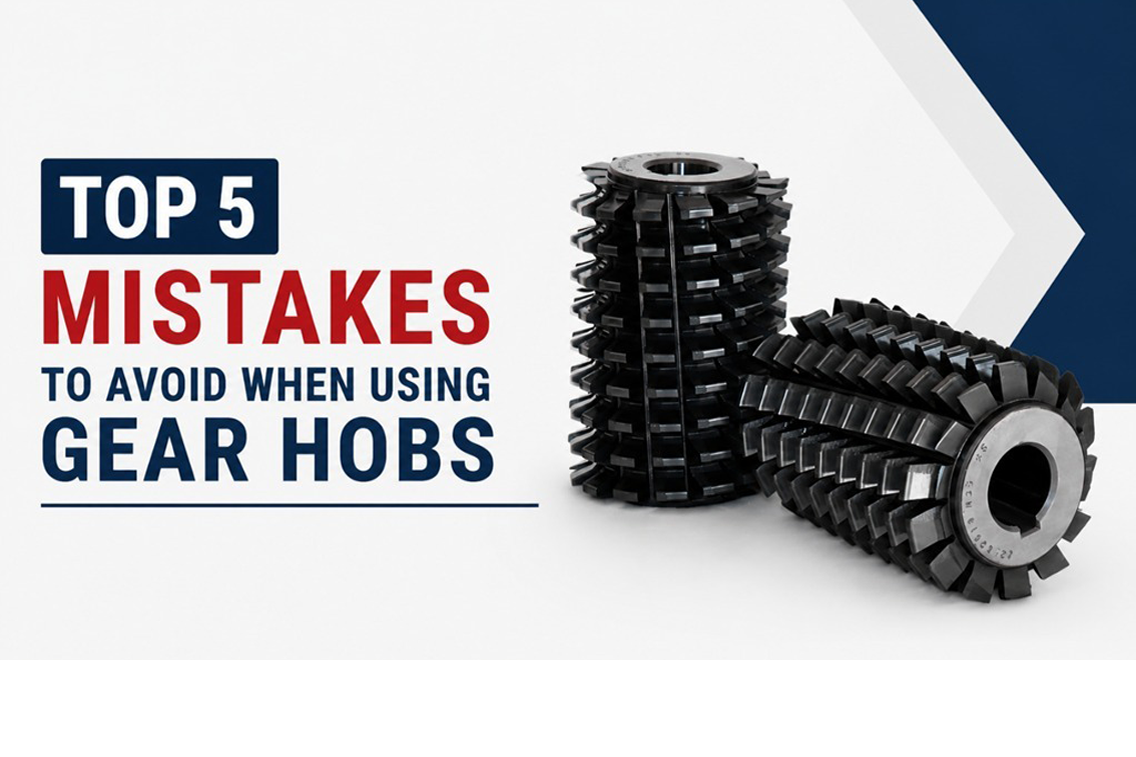
In the world of precision gear manufacturing, HSS Gear Hob Cutter plays a critical role in producing accurate and high-quality gears for industries such as automotive, aerospace, industrial machinery, and power transmission. However, even the best cutting tools can deliver poor results if they are not used correctly. Many manufacturers experience reduced tool life, inaccurate gear profiles, and production downtime due to common operational mistakes.
At Super Tools, we understand the importance of precision machining and efficient gear cutting operations. To help manufacturers improve productivity and maintain gear quality, here are the top 5 mistakes to avoid when using gear hobs.
Improper Hob Alignment and Machine Setup
Incorrect setup and alignment are major causes of gear cutting errors. Even a small misalignment in the hob or workpiece can affect the entire gear geometry.
- Inaccurate Gear Tooth Profile and Spacing
Improper hob alignment can create uneven gear tooth profiles and incorrect spacing, which directly affects gear accuracy and smooth power transmission performance. - Excessive Vibration and Tool Chatter During Cutting
Incorrect machine setup often causes vibration and chatter during the gear hobbing process, resulting in unstable cutting conditions and lower machining quality. - Higher Chances of Dimensional Inaccuracies
Even small alignment errors can impact gear dimensions, causing issues with pitch accuracy, tooth thickness, and concentricity. - Reduced Gear Performance and Operational Efficiency
Poorly cut gears may generate noise, vibration, and inefficient motion transfer during operation, affecting machine performance and reliability. - Increased Machine Load and Production Downtime
Incorrect alignment forces the machine to work harder, increasing machine load and causing unexpected downtime for adjustments and maintenance. - Greater Rejection Rates and Material Wastage
Gear cutting errors caused by improper setup often result in defective components, increasing rejection rates and unnecessary material loss. - Uneven Cutting Pressure on Hob Teeth
Misalignment creates unequal cutting forces on the hob teeth, which can damage certain cutting edges faster than others. Top of Form
Neglecting Tool Maintenance and Re-Sharpening
A dull or damaged gear hob can create serious quality issues in finished gears. Unfortunately, many workshops continue using worn tools beyond their recommended lifespan, leading to inconsistent production quality and increased operational costs.
Consequences of Poor Tool Maintenance:
- Rough gear tooth finish
- Increased machine load
- Higher power consumption
- Inaccurate gear profiles
Regular inspection and timely re-sharpening are essential for maintaining cutting performance.
Best Practice:
Implement a preventive maintenance schedule for all gear cutting tools. Inspect hobs for wear, chipped teeth, and coating damage after regular production intervals. Proper storage and handling also help extend tool life.
Poor Machine Maintenance
Even high-quality gear hobs cannot perform efficiently on poorly maintained hobbing machines. Loose components, worn bearings, and improper lubrication in the machine itself can reduce machining precision.
Effects of Poor Machine Maintenance:
- Reduced gear accuracy
- Excessive machine vibration
- Inconsistent cutting performance
- Increased downtime and repair costs
Best Practice:
Perform preventive maintenance on CNC gear hobbing machines regularly. Check spindle condition, lubrication systems, machine alignment, and fixture stability to ensure smooth operation.
Failing to Monitor Tool Wear Regularly
Many operators continue production without checking the condition of the hob cutter. Overused or worn hobs can produce inaccurate gears and damage machine components.
Common Problems:
- Loss of tooth accuracy
- Rough gear surface finish
- Increased vibration during cutting
- Unexpected production stoppages
Ignoring tool wear can also increase rejection rates and machining costs.
Best Practice:
Establish a regular tool inspection schedule and monitor wear patterns carefully. Replace or re-sharpen the hob before it reaches critical wear limits to maintain consistent production quality.
Lack of Operator Training
Even advanced gear hobbing machines require skilled operators for accurate setup and operation. Insufficient technical knowledge can lead to improper adjustments and production errors.
Consequences:
- Incorrect cutting parameter selection
- Improper tool handling
- Frequent setup mistakes
- Reduced production efficiency
Best Practice:
Provide regular technical training for machine operators and maintenance teams. Experienced professionals can optimize gear cutting performance while minimizing operational issues.
Ignoring Chip Removal and Cleaning
Metal chips generated during gear hobbing can interfere with cutting performance if not removed properly. Poor chip evacuation may damage both the hob and the finished gear surface.
Common Issues:
- Scratches on gear teeth
- Tool overheating
- Reduced cutting efficiency
- Poor surface finish quality
Best Practice:
Maintain proper coolant flow and chip removal systems throughout the machining process. Regular cleaning of the machine area helps improve operational efficiency and gear quality.
Conclusion
Gear hobbing is a highly precise machining process that requires proper tooling, machine setup, and maintenance practices. Mistakes such as incorrect hob selection, poor alignment, wrong cutting parameters, lack of maintenance, and improper lubrication can negatively affect production quality and operational efficiency.
If you are looking for premium-quality gear hobs, precision gear cutting tools, and expert technical support, Super Tools is committed to delivering reliable solutions for modern gear manufacturing industries.
🌐 Website: www.stcgeartools.com
📩 Domestic Enquiries: info@stcgeartools.com
🌍 Export Enquiries: export@stcgeartools.com